/ Cover-Up Center
Turn an old tattoo into a new work of art
A cover-up isn't about hiding a mistake under darker ink. It's a full redesign, planned around your skin, your body, and the piece you actually want to carry for the rest of your life.
What a cover-up actually is
A cover-up is the process of designing and tattooing a new piece over an existing one. Contrary to popular belief, the goal isn't to bury the old design under a slab of dark ink.
Laser is the only way to actually break down pigment so the body can clear it. In a cover-up, the old pigment stays exactly where it is, sitting in the skin, and the new design has to be built around it, not against it. That's why cover-up is one of the most specialised branches of tattooing: a successful piece has to work as strong artwork on its own, not just as something laid on top of an old tattoo.
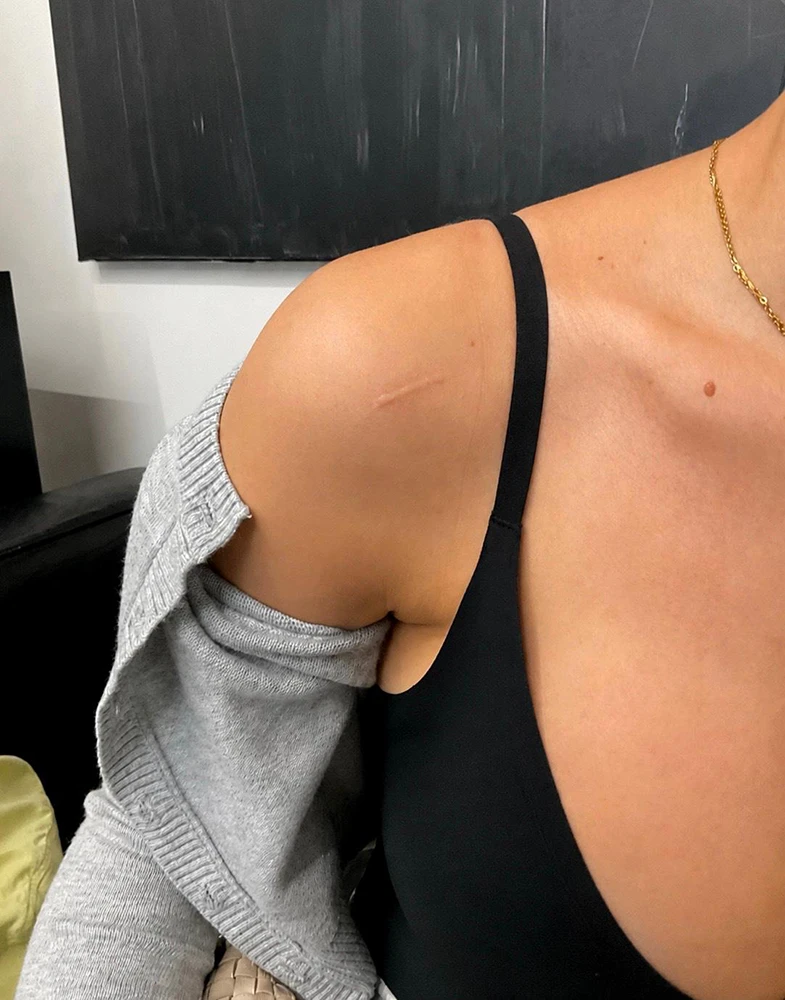
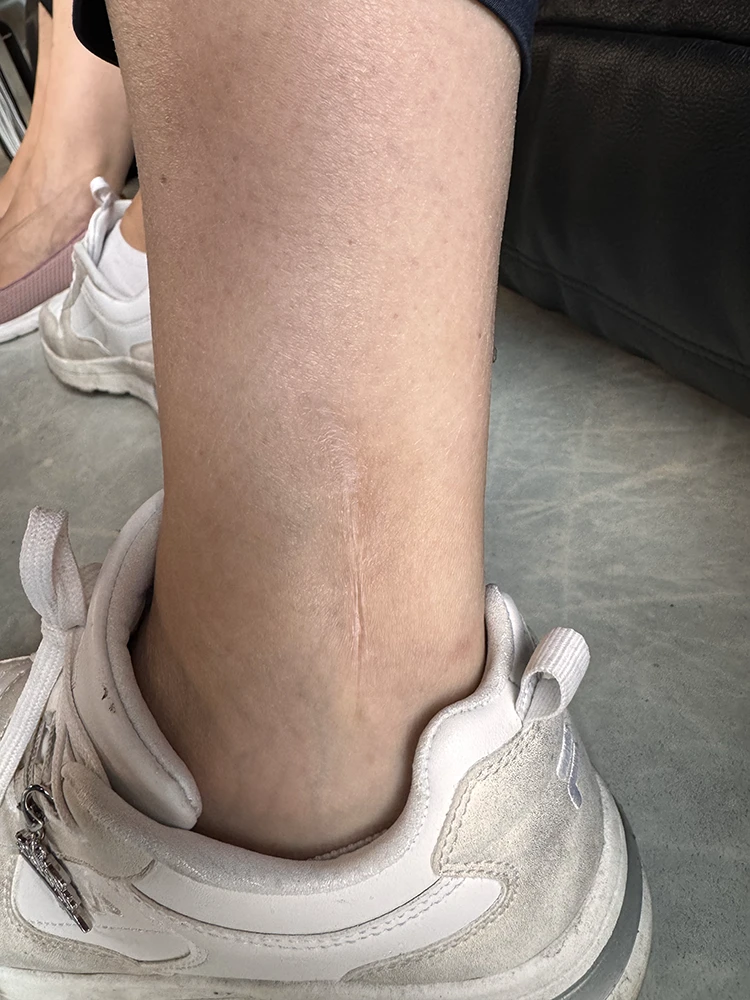
This isn't only for old tattoos. In some cases, fully healed scars and stretch marks can also become part of a new design, once we've assessed whether the skin is suited for it.
We don't start by asking how to hide your old tattoo. We ask: if this tattoo didn't exist, what would be the best piece for this part of your body? Then we build backward from there, working with the limits of what's already on your skin.
What determines the result
01
Size
The new design usually needs to be somewhat larger than the original, to give the composition room to breathe.
02
Ink density
The denser and darker the existing pigment, the more the new design's options narrow.
03
Placement
The final shape has to work with the anatomy of that specific part of the body.
04
Skin condition
Skin health and healing history directly affect how the final piece settles.
05
Style fit
Not every style covers well. The right style is chosen based on what's already there, not just preference.
Every tattoo is assessed individually
Usually straightforward
- Faded or old tattoos
- Small, black lettering
- Small black linework
- Amateur or DIY tattoos
- Tribal designs
- Unevenly healed pieces
- Outdated or dated designs
Needs a different approach
- Solid, dense all-black tattoos
- Very heavy colour saturation
- Previous cover-ups
- Very large tattoos
- Tattoos with heavy ink bleed
- Pieces covering a large body area
None of these are impossible, they usually call for partial laser fading, a redesign, or a longer timeline instead of a direct cover-up.
Scar & stretch mark coverage
In some cases, artistic design can also be used to soften the visibility of scars or stretch marks. Not every scar or every stretch mark is suited for this, it depends on the type of scarring, the skin's healing history, and how it responds to tattooing. This is always assessed on its own, separately from any tattoo cover-up.
Timing matters as much as technique. Scar tissue needs to be fully healed and settled, often more than a year old, before we'll even consider working over it. Fresh or still-maturing tissue reacts unpredictably to ink and can keep changing over time.
That's why every one of these projects starts with an in-person assessment. We look at the skin up close, talk through your goals honestly, and tell you clearly what's realistic before any needle is involved.
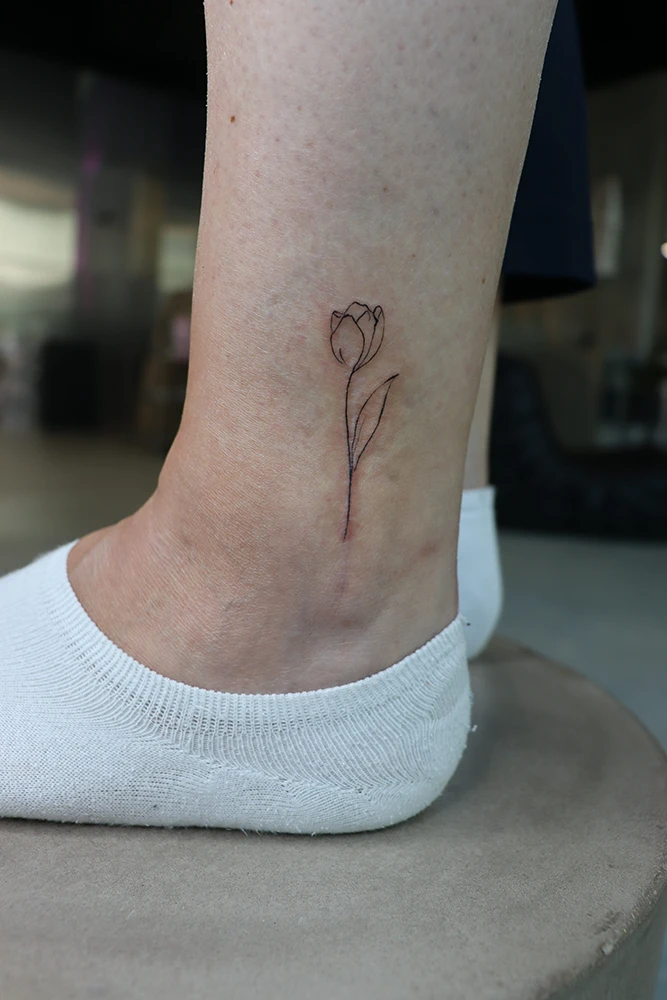
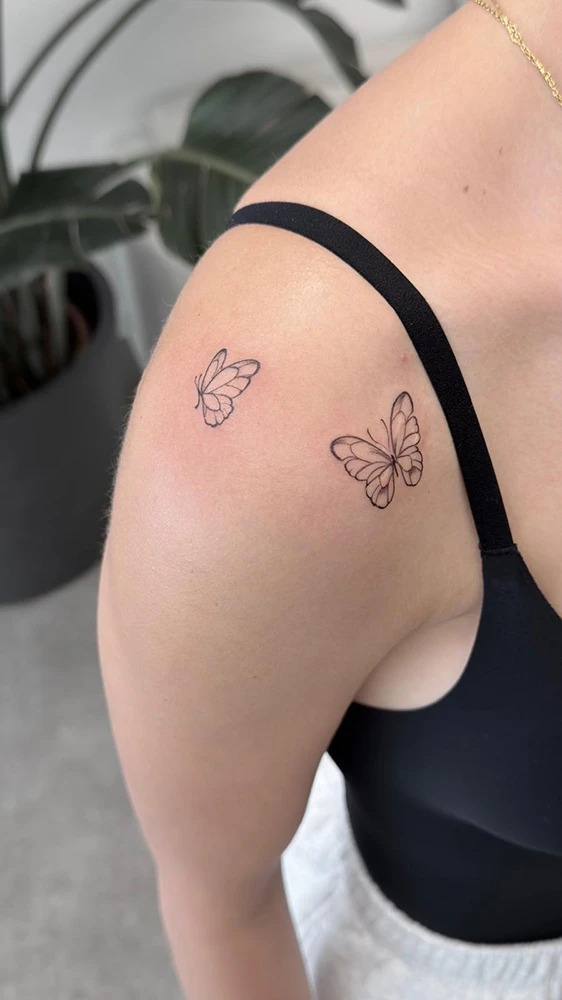
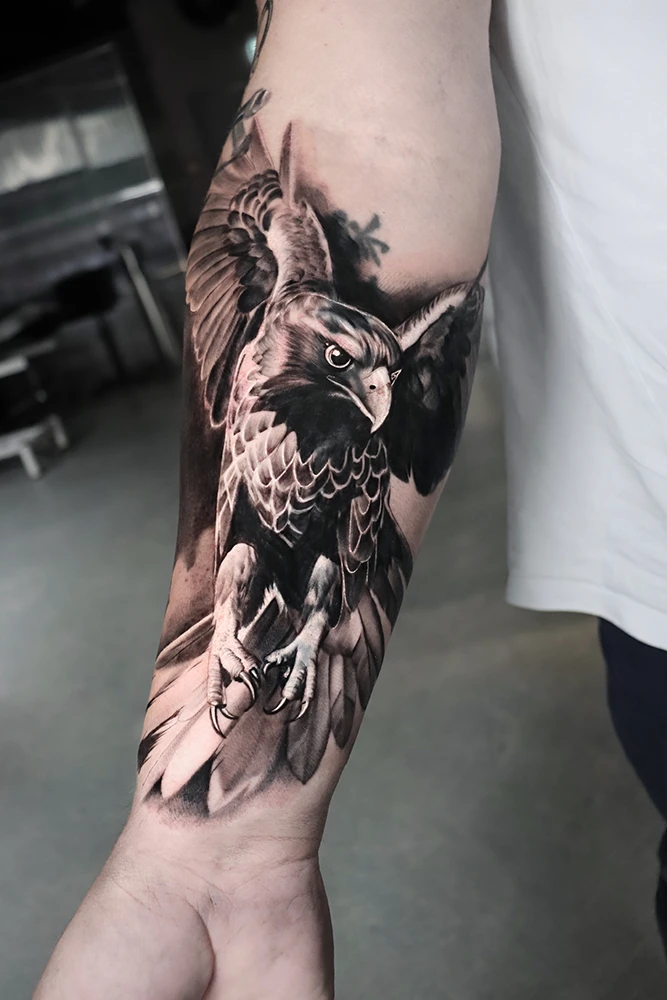
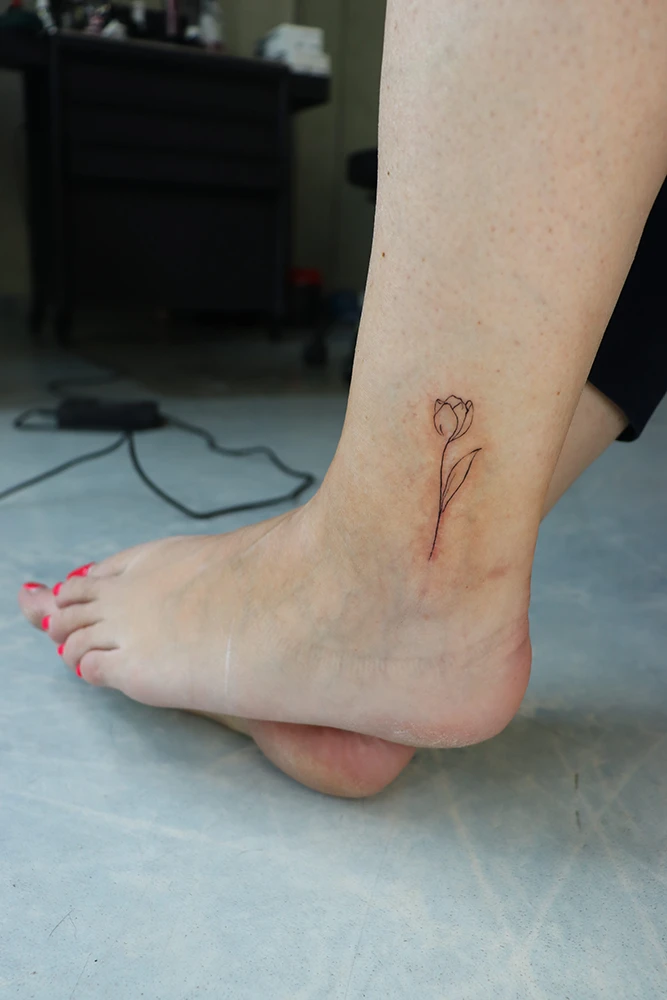
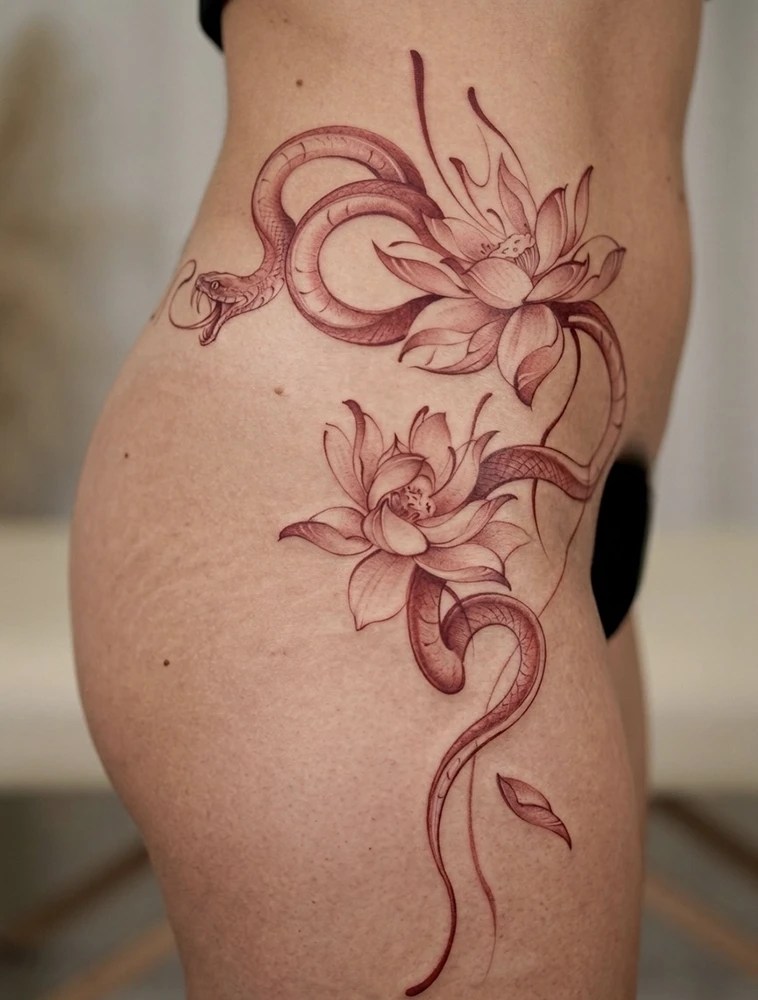
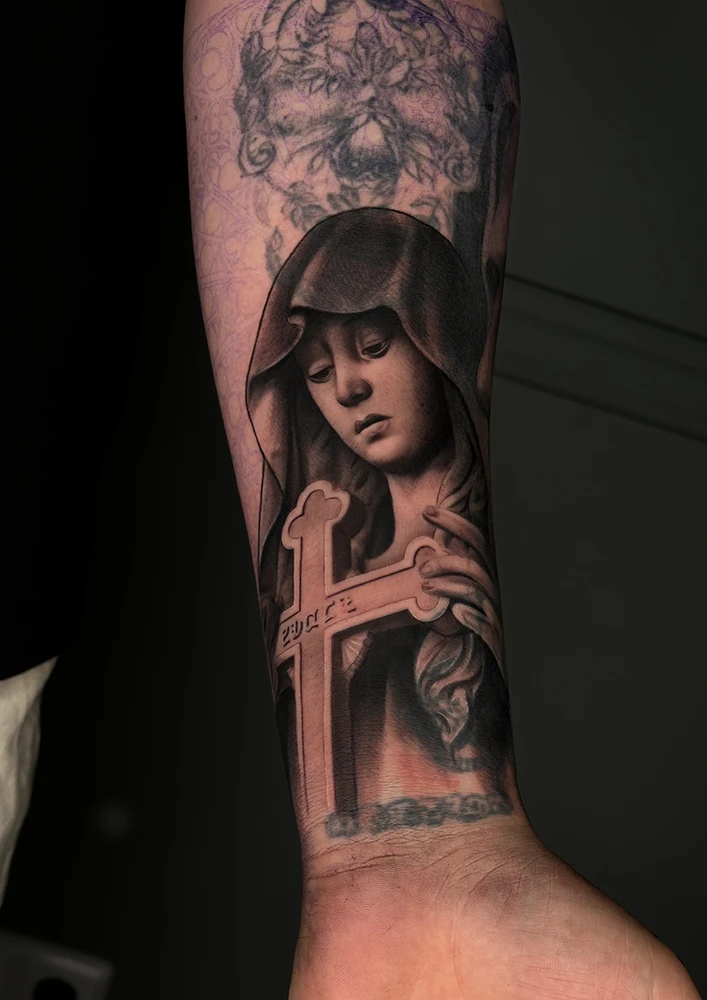
Before-and-after documentation of our cover-up projects is on its way. In the meantime, here's the level of design and execution every Usee Tattoo piece is held to.
From first photo to booked project
01
Send photos
Clear photos of your current tattoo in natural light, its approximate size and age, and any laser history.
02
We review
Every project is assessed individually before we suggest anything, there's no generic answer here.
03
We recommend
A direct cover-up, a redesign, partial laser fading, or a combination of these. If cover-up isn't the right move yet, we'll tell you honestly.
04
Book & design
If cover-up is the right path, we book a consultation to shape the concept and confirm the plan together.
Send us your photos
This is the fastest way to get a real answer, not a guess. Share a few clear photos and some basic details, and we'll tell you what's realistic for your skin.
Thank you! Your request has been received. We'll get back to you after reviewing your photos.
Prefer to talk it through?
If you already know you want a consultation, you can book directly, our team will review your photos beforehand.
Book a consultationFAQ
Common questions
Is every tattoo coverable?+
Not automatically. It depends on size, ink density, placement, skin condition, and the new design. Every project is reviewed individually.
Can fully black tattoos be covered?+
In many cases yes, but the design options may be more limited, or partial laser fading may be suggested first.
Does the new design always have to be bigger?+
In most projects, yes, it helps create a balanced composition and a more natural result.
Is a cover-up more painful?+
It depends on the location, skin sensitivity, and session length. It isn't the same for everyone.
How is the price calculated?+
Based on the size of the current tattoo, the complexity of the new design, and the number of sessions required. An exact quote follows the assessment.
Can an old cover-up be covered again?+
In some cases, yes, depending on ink density and skin condition. This needs a dedicated assessment.
How do I start?+
Send us clear photos of your current tattoo, its approximate size, and an idea or style direction. We'll suggest the best path from there.
My tattoo is still fairly new, how long should I wait?+
Until the skin is fully healed. Healing time depends on skin type, tattoo size, and the healing process itself, we'll assess this at your consultation.